 4 minutes
Tips on How to Save Your Soft Apples!





Fall brings back the comforting season of local apples! Affordable, versatile, and great for your health, they sometimes end up losing their crunch at the bottom of the basket. Good news: a soft apple isn’t spoiled at all—it’s perfect for cooking and saving money. Find out why they get soft, how their health benefits are preserved, and our best tasty ideas for enjoying them!
Apples are what are known as climacteric fruits, which means they continue to ripen even after being harvested. They naturally produce ethylene, a plant gas that accelerates the ripening process and gradually breaks down protopectin, the substance that gives apples their crunch. At room temperature, their flesh gradually loses moisture and becomes softer.
Not all apples react the same way when cooked. Here are four common Quebec varieties and the best way to cook them once they’ve softened:
McIntosh: The classic favorite from our orchards! Tender and tart, its flesh breaks down very quickly when heated. Ideal for: ultra-creamy homemade compotes or a sauce to serve with pork.
Cortland: Sweet and juicy, it has the unique quality of not browning quickly when exposed to air. Ideal for: pies, soups, and oven-baked chips.
Spartan: A very sweet variety with dark red skin and flesh that softens deliciously. Ideal for: stuffed baked apples, muffins, and healthy breads.
Empire: A cross between McIntosh and Red Delicious, it offers a nice balance of sweetness and tartness. Ideal for: apple butter and sweet-and-salty pan-sauteed apples with a touch of butter and spices.
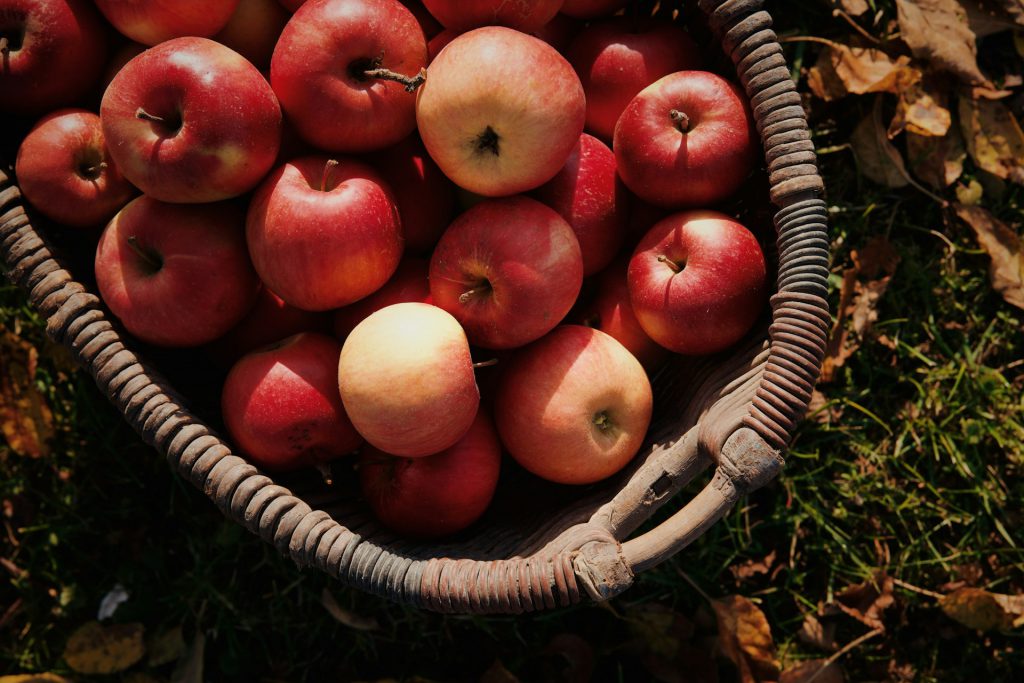
Just because an apple has lost its crunch doesn’t mean it has lost its health benefits. It remains packed with essential nutrients:
1. Quick apple compote with no added sugar: Peel and dice your apples. Simmer them over low heat with a splash of water, cinnamon, and a dash of lemon juice for 15 to 20 minutes, then mash with a fork.
2. Freezing in cubes: Peel, core, and cut your soft apples into small cubes. Place them on a baking sheet in the freezer for a few hours, then transfer them to an airtight bag. You’ll have ready-to-use portions for your smoothies or porridge all year long!
3. Dehydrated (oven-dried): Cut your apples into thin slices and place them on a baking sheet. Then sprinkle them with cinnamon and dry them in the oven at a low temperature (about 200 °F / 95 °C) for 2 to 3 hours. You’ll end up with delicious homemade apple chips!
Now you know all there is to know about soft apples! Instead of throwing them away, turn them into delicious, healthy recipes. Let’s get cooking… and bon appétit!
Tips on How to Save Your Soft Apples! is a post from Nautilus Plus. The Nautilus Plus blog aims to help people in their journey to fitness through articles on training, nutrition, motivation, exercise and healthy recipes.
Copyright © Nautilus Plus 2026


Let's establish your nutritional goals together and get some expert advice!
Discover our nutrition services